By the time a board gives way underfoot, the damage below it has usually been building for years. That is the part homeowners never see. The signs it’s time to replace your deck show up in the framing, the ledger, and the fasteners long before the surface fails.
We have been building, repairing, and replacing decks across the Kansas City metro since 2003. Here is how we tell the difference between a deck that needs a weekend of repairs and one that needs to come down.
How Long Should a Deck Actually Last?
Age is the fastest way to narrow down your answer. If your deck is past its expected service life and showing problems, repairs rarely make financial sense.
Typical Lifespan by Material
- Pressure-treated pine decking: 10 to 15 years
- Cedar decking: 15 to 20 years with regular sealing
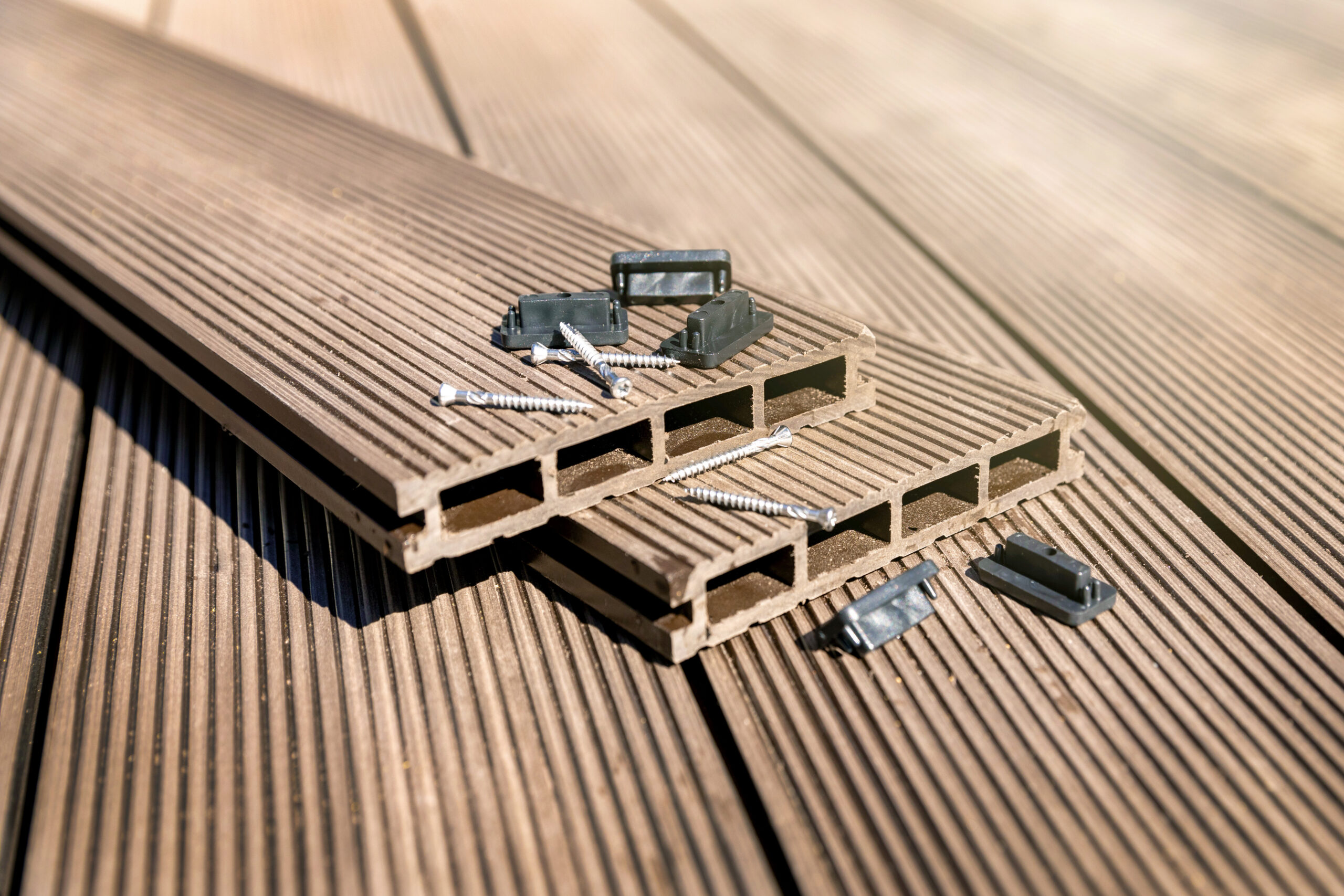
- Composite and PVC decking: 25 to 30 years or more
- Framing, joists, and beams: 15 to 25 years
- Galvanized fasteners and joist hangers: 10 to 20 years
Why Kansas City Shortens That Timeline
Our weather is hard on wood. Freeze and thaw cycles open cracks in the winter, humid summers hold moisture in the grain, and expansive clay soil shifts footings over time.
A deck built in Overland Park in 2005 has taken twenty years of that. Expect the lower end of every range above. For a closer look at how the two materials hold up here, see our breakdown of wood vs. composite decking.
Key Takeaway: New decking boards on twenty-year-old framing is the most expensive mistake we see. Always evaluate the structure first, then the surface.
Signs It’s Time to Replace Your Deck
We look at these in order of severity. The first four are safety issues, not maintenance items.
1. The Ledger Board Is Pulling Away From Your House
The ledger board is the beam that fastens your deck to the house, and it carries an enormous share of the load. Ledger failure is the leading cause of deck collapse.
Look for gaps between the deck frame and your siding, missing flashing above the ledger, or nails where structural bolts should be. Water staining on the siding underneath is another warning. This is a replacement, not a repair.
2. The Deck Bounces or Sags Underfoot
A slight spring is normal. A noticeable bounce, a dip in the surface, or side-to-side sway means joists, beams, or posts are no longer carrying weight the way they were designed to.
3. Wood Sinks When You Press a Screwdriver Into It
Push a screwdriver into the wood at the base of each post, at the joist ends near the house, and anywhere a planter or grill has sat. Healthy wood resists. Rotted wood gives way like cork.
Soft decking boards can often be swapped out. Soft joists cannot.
4. Joist Hangers Are Rusted, Loose, or Missing
Look underneath at the metal brackets connecting joists to beams. Rust streaks on the patio below, corroded fasteners, or joists that are simply toe-nailed in place all point to a structure that has lost its connections.
5. Railings Wobble or Sit Below Code
Grab every railing post and push firmly. Current code calls for a minimum 36-inch railing height, no more than 4 inches between balusters, and the ability to resist 200 pounds of lateral force. Older decks frequently miss all three.
6. Widespread Splintering, Cracking, or Insect Damage
A few bad boards are a repair. When more than a third of the surface is splintering, cupping, or pulling fasteners loose, replacement is the better value. Small round holes and sawdust piles usually mean carpenter bees or termites, both common in Missouri.
Pro Tip: Check the underside of your deck, not just the top. Boards facing the ground stay wet longest and almost always fail first.
Repair or Replace? How We Help You Decide
The 50 Percent Rule
Our rule is straightforward. If more than half the structure needs work, or if repair costs approach half the price of a new deck, replacement is the smarter investment.
Repairs make sense for faded stain, a handful of soft boards, one loose railing post, or popped fasteners. Replacement makes sense for rotted framing, ledger separation, shifted footings, or any deck over twenty years old with multiple issues.
What Deck Replacement Costs in Kansas City
Costs depend on size, height, stair count, railing style, and material. Composite runs higher upfront and lower over its lifetime. Elevated decks and footings in our clay soil add labor. We cover where the money actually goes in the most expensive part of a deck.
The honest answer is that we quote it after we see it. We would rather give you a real number than a range that changes once we look underneath. Financing is available with approved credit if you would rather spread the cost out.
Planning other exterior work in the same season? Contact Energy Pro for a free consultation.
What to Do Before You Call a Contractor
Spot the Signs It’s Time to Replace Your Deck in 15 Minutes
- Walk the full surface and feel for bounce or dips.
- Probe posts, joist ends, and stair stringers with a screwdriver.
- Look underneath at hangers, fasteners, and water stains.
- Check the ledger for gaps, flashing, and bolts.
- Shake every railing post and stair handrail.
If anything fails steps 2 through 5, stop using the deck and have it looked at.
Permits and Code Across the Metro
Most cities in our service area require a permit for attached decks and any deck more than 30 inches above grade. Requirements differ between Belton, Olathe, Lee’s Summit, Lenexa, and Leawood.
Unpermitted work becomes a problem at closing when a buyer’s inspector flags it. Our team handles permitting and inspections as part of the job.
Key Takeaway: A deck that fails a home inspection can delay or kill a sale. Addressing it before you list protects your price.
What Waiting Actually Costs
Deck failures happen when decks are loaded, meaning cookouts, parties, and holidays. That is a liability question as much as a safety one, and many policies do not cover damage from known, neglected defects.
Rot also spreads. Once it reaches the ledger, it moves into the rim joist and siding, and a deck project turns into a structural repair. We see this often enough that we also handle wood rot repair and siding replacement for the same homeowners.
Ready for a Deck You Can Trust
Our crews carry over 125 years of combined experience, and every job includes permitting and inspections. If a repair will hold, we will tell you. If it will not, we will show you exactly why.
Schedule your free deck inspection or call (816) 331-7403, and let our team confirm whether you are seeing the signs that it’s time to replace your deck.