New siding can lower energy bills in Kansas City homes, and a Department of Energy field test backs that up. Homeowners ask our team about it at nearly every siding estimate. The amount you save depends on the siding material, what goes behind it, and how well the walls are sealed. Below, we break down what the research found, which materials perform best, and when new siding is the right energy upgrade for your home.
What the Research Says About Siding and Energy Savings
The Department of Energy Field Test
One of the clearest real-world tests comes from a 2015 Department of Energy Building America case study of a 1969 home in New Paltz, New York. The home’s aluminum siding was replaced with R-2.7 insulated vinyl siding over a taped house wrap, and gaps around windows, doors, and wall penetrations were sealed. A research team from DOE’s Building America program measured the home’s performance before and after.
In that single test home, they found:
- 9.5% better airtightness
- 8% less heating energy over one heating season, adjusted for weather
- About $170 per year in projected energy cost savings
The researchers credited the insulated siding with more than half of the airtightness improvement. The house wrap accounted for the rest.
What a Larger Industry Study Projected
A separate industry study, commissioned by the Vinyl Siding Institute and co-sponsored by DOE’s Building America program, looked at four homes in climate zones 4 and 5. Using energy models of each home before and after the new siding, it projected heating savings of 5% to 12%. Results in any one house can vary.
Why Some Claims Run Higher
You may see savings claims of 25% or more. The research we’ve reviewed points to smaller gains from siding by itself. Larger savings usually come from pairing siding with attic insulation, air sealing, and window upgrades.
Key Takeaway: DOE-backed research measured 8% heating savings in one test home with insulated siding over sealed house wrap, and an industry study projected 5% to 12% across four others. A plain siding swap will likely save less.
How Siding Affects Your Home’s Energy Use
Air Leaks Through Old Cladding
Warped, cracked, or loose siding can let outdoor air reach your wall sheathing. Many older Kansas City homes have torn house wrap or none at all. New siding over a taped water-resistive barrier helps close those paths. In the DOE test home, the insulated siding itself also helped tighten the walls.
Heat Loss Through Wall Framing
Wood framing, including studs, plates, and headers, can make up as much as 25% of a typical wall, and wood insulates poorly. Fiberglass batts between the studs can’t stop heat from moving through the framing. A continuous foam layer under the siding covers the framing and helps slow that loss.
What R-Value Means for Siding
R-value measures how well a material resists heat flow. Standard vinyl and fiber cement add very little. Insulated vinyl siding must rate at least R-2.0 under the ASTM D7793 standard, and tested products generally fall between R-2.0 and R-2.7.
Pro Tip: Ask for a quote that lists the insulation product and its R-value in writing. A vague promise of energy efficiency tells you very little.
Signs Your Siding is Costing You Money
- Drafts near outlets or baseboards on exterior walls
- Walls that feel cold to the touch in winter
- Warped, buckled, or loose panels after storms
- Peeling interior paint or moisture stains on outside walls
- Aluminum or hardboard siding more than 25 years old
- Bills that keep climbing with no change in habits
If damaged siding is hiding soft or rotted wood, that wood should be repaired before anything new goes on. Our crews can handle wood rot repair as part of the project.
Need expert help with your siding?Contact Energy Pro Windows & Siding for a free consultation.
Which Siding is the Most Energy Efficient?
Insulated Vinyl Siding
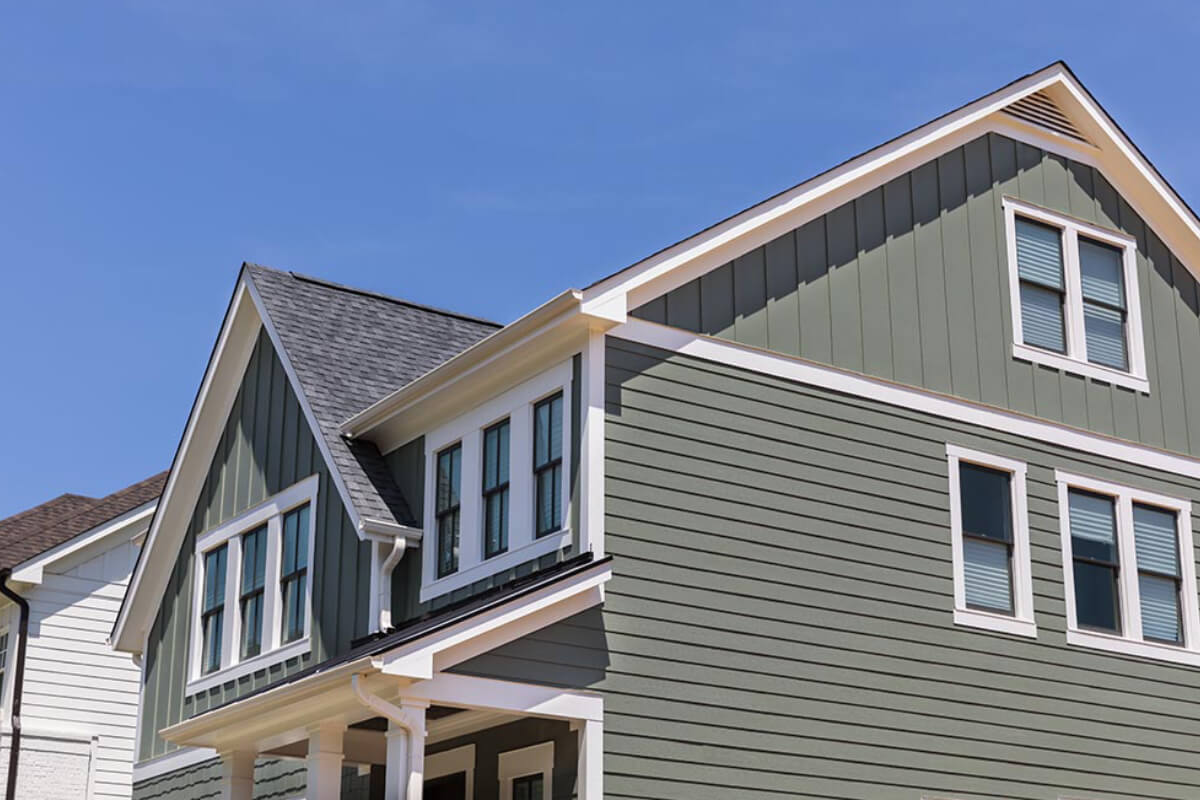
Insulated vinyl has a contoured foam backer attached to each panel. The foam adds R-value, stiffens the panel, and can help it resist dents. Ask our team which vinyl options in our lineup, such as Haven Siding by Royal or Royal Woodland Siding, fit your energy goals and budget.
James Hardie Fiber Cement with Foam Board
James Hardie siding is built to handle wind, hail, and the temperature swings Kansas City sees each year. Fiber cement adds little R-value by itself. When energy savings are a priority, we can pair it with rigid foam insulation board.
You can see finished projects in our siding gallery.
Pro Tip: Lighter siding colors absorb less summer sun. That may help on west-facing walls during long Kansas City heat waves.
Siding, Windows, or Insulation: What Comes First?
When Does New Siding Lower Energy Bills the Most?
Siding tends to deliver the best return when:
- Your current siding is damaged and due for replacement
- Your walls have little or no house wrap
- You choose insulated siding or add foam board
- Your crew air seals the walls during tear-off
When Windows or Attic Insulation Should Come First
A thin attic layer is often one of the largest heat leaks in a home, so it’s worth checking first. Single-pane or fogged windows come next, since glass loses heat faster than an insulated wall.
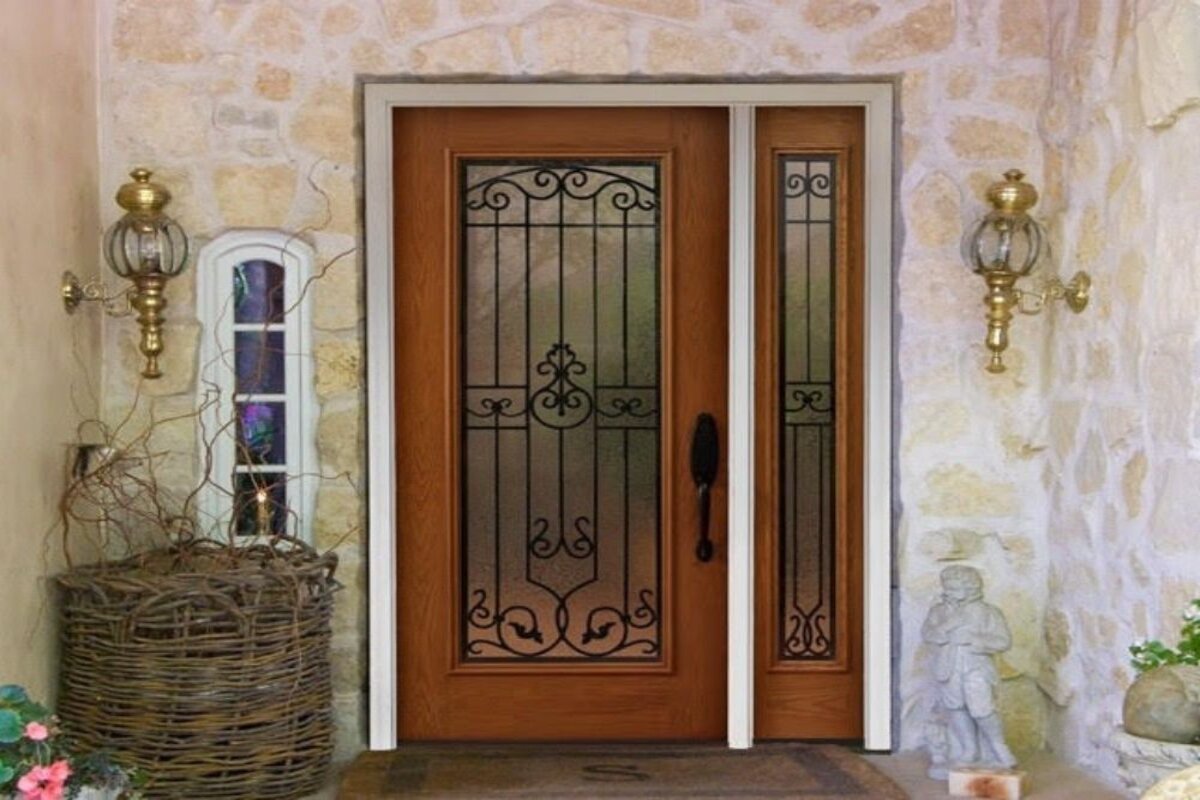
Many homeowners replace their windows and siding together. A combined project lets our team flash and seal every opening into the new wall system, which helps prevent drafts a siding-only job can miss. Drafty entry points? Our door replacement options can be added to the same project.
Does New Siding Lower Energy Bills in Kansas City?
A Realistic Savings Estimate
Kansas City sits in climate zone 4A, where heating and cooling both drive costs. The DOE test home was in climate zone 6, a much colder region, so local heating savings may run somewhat lower. The industry study’s homes in zones 4 and 5 are a closer match to our climate.
As a rough example, a household spending $1,500 a year on heating would save about $75 to $150 per year with a 5% to 10% reduction. Both studies measured heating only, so any summer cooling savings would come on top of that. Your actual savings will depend on your home and energy rates.
Payback and Long-Term Value
Lower bills are one part of the return. Better comfort, a quieter home, less upkeep, and curb appeal can add to it. In the DOE study, insulated siding cost $1,618 more in materials than standard vinyl, or about $1.43 per square foot of wall area, with no added labor. We also offer financing with approved credit.
Key Takeaway: Energy-efficient siding makes the most sense when your current siding needs replacing anyway. The energy savings then add to an investment you were already making.
How to Get the Most From New Siding
- Get an energy audit or blower door test first.
- Choose insulated siding, or add foam board under fiber cement.
- Require taped house wrap seams and flashed openings.
- Seal gaps around vents, pipes, and outlets during tear-off.
- Replace rotted sheathing before new siding goes on.
- Hire certified installers who follow manufacturer warranty requirements.
Get a Straight Answer for Your Home
Every house loses energy in different places. During a free in-home consultation, our team checks your siding, house wrap, windows, and doors. We then recommend the upgrade most likely to make a difference.
We’ve served homeowners across the Kansas City metro since 2003, including Overland Park and Leawood. Learn more about our team or request a free quote to see how much new siding could lower energy bills in your home.